Who Is Black Soldier Fly Farming For?
Industries and Business Cases for BSF Farming
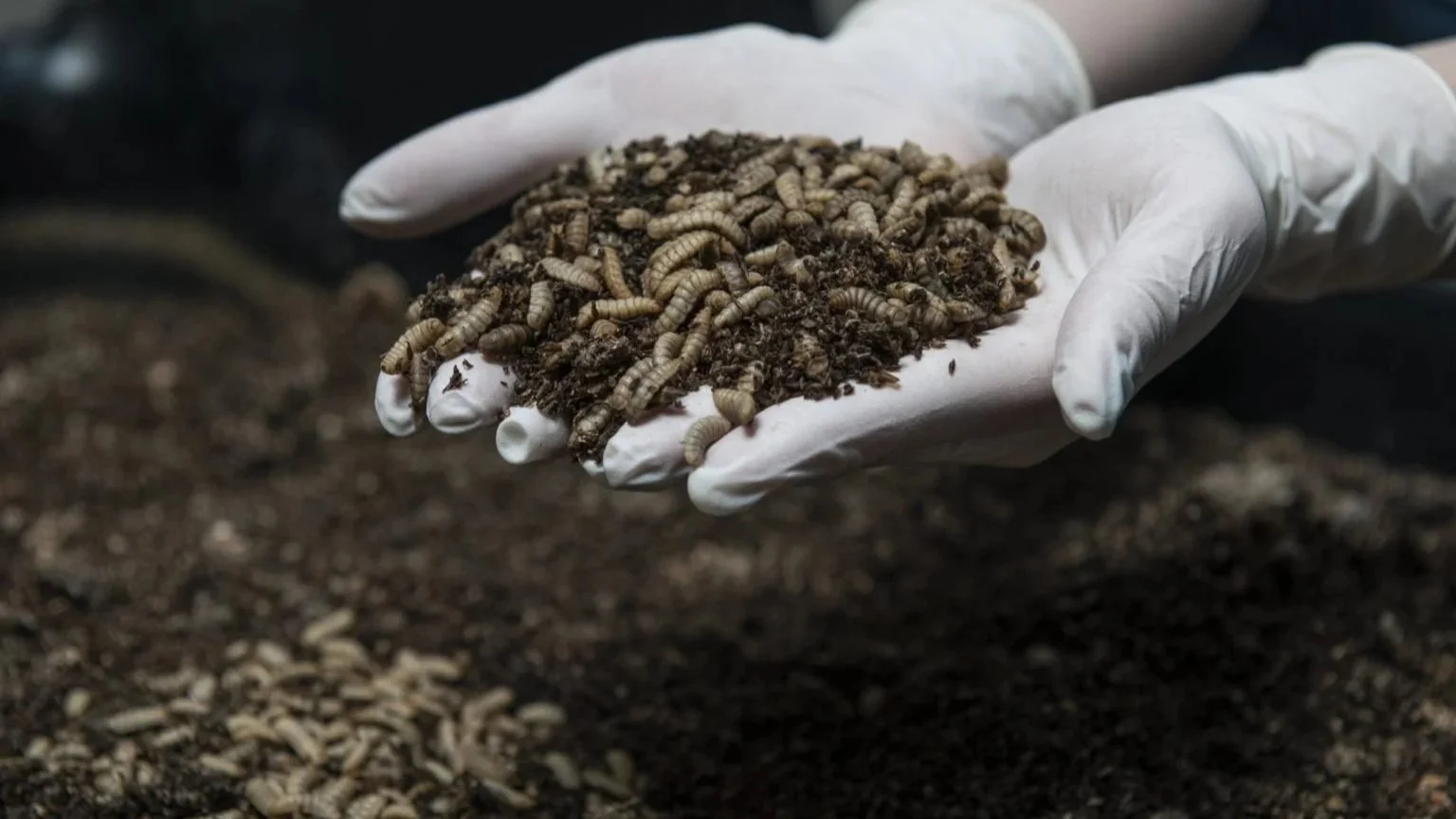
Black Soldier Fly (BSF) farming is often described as an alternative protein production system, but it is better understood as a waste conversion and nutrient recycling technology that connects agriculture, feed production, food processing and waste management.
Black Soldier Fly larvae can convert organic by-products into three main outputs:
Insect protein meal
Insect oil
Frass fertilizer
This makes BSF farming particularly interesting for organizations that generate organic side streams, have feed costs, use fertilizer, operate biogas plants, or want to implement circular economy solutions.
For farms, especially pig, poultry and aquaculture farms, feed protein is one of the largest cost factors. Many feed formulations still rely on soybean meal and fishmeal, and Europe imports a large share of its protein feed. Price volatility and sustainability concerns are therefore increasing interest in alternative protein sources.
Black Soldier Fly larvae meal typically contains around 35–45% protein and can be used in animal feed, while frass can be used as organic fertilizer. For farms, insect farming can:
Reduce dependence on imported protein
Convert farm side streams into feed ingredients
Produce organic fertilizer
Improve nutrient cycling on the farm
Reduce organic waste volumes
This makes insect farming particularly relevant for pig farms, poultry farms, aquaculture farms and mixed farms with agricultural or food processing side streams.
Agro-Industry and Food Processing
Agro-industrial companies often generate large amounts of organic by-products such as fruit and vegetable residues, brewery spent grains, grain cleaning residues, oilseed press cakes or bakery by-products. These materials still contain valuable nutrients but are often used for low-value applications such as composting or biogas.
Black Soldier Fly larvae can convert these side streams into protein, oil and fertilizer, effectively upgrading low-value by-products into higher-value products. For agro-industrial companies, this can reduce disposal costs, create additional revenue streams and improve sustainability and circular economy strategies.
Waste Management and Organic Side Streams
Across Europe, large amounts of food and organic waste are generated every year, according to data from Eurostat and the European Environment Agency, which makes finding new ways to recover nutrients from organic waste increasingly important.
Black Soldier Fly farming is also relevant for companies dealing with organic waste streams. Insect larvae can reduce organic waste volume quickly while producing protein, oil and fertilizer, allowing nutrients to remain in the feed and food system instead of being lost as waste.
Because of this, insect farming is increasingly discussed as part of future organic waste management and circular economy infrastructure.
Biogas Plants and Anaerobic Digestion
Black Soldier Fly farming can also be integrated with biogas plants and anaerobic digestion facilities. After biogas production, digestate and organic residues still contain nutrients that can be further valorised.
Combining biogas production and insect farming creates a cascading use of biomass:
Organic material produces energy through biogas
Remaining nutrients can be used for insect larvae
Insects are processed into protein and oil
Frass and digestate can be used as fertilizer
This allows biogas operators to create additional value streams from organic materials and diversify their business beyond energy production.
Feed Producers and Alternative Protein
Feed producers are another key industry interested in insect protein. The demand for protein for animal feed continues to grow due to increasing meat production, aquaculture growth and the expansion of the pet food market. At the same time, the feed industry is under pressure to reduce reliance on imported soy and fishmeal and to improve sustainability.
Insect protein offers a locally produced protein source that fits well into circular economy and sustainable feed strategies, which is why interest in Black Soldier Fly farming is increasing among feed producers across Europe.
Black Soldier Fly Farming in the Circular Economy
Black Soldier Fly farming connects multiple industries. Organic by-products become feed for insect larvae, the larvae are processed into protein and oil for animal feed, and the frass becomes fertilizer for agriculture.
This creates a system where nutrients remain in the feed and food system instead of being lost as waste, which is why Black Soldier Fly farming is often considered a circular economy technology.
Black Soldier Fly farming is therefore relevant for farms, agro-industry, food processing companies, feed producers, biogas plant operators and waste management companies that want to convert organic side streams into valuable products.
Get a Free Quotation for Black Soldier Fly Farming Solutions
If you are interested in Black Soldier Fly farming for your farm, industrial side streams, feed production or biogas operation, modular and scalable insect farming systems can be integrated into many existing operations. Get a free personalised quotation and explore how Black Soldier Fly farming could work for your business.